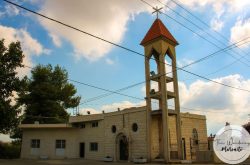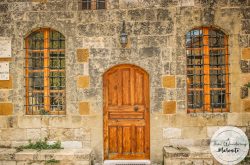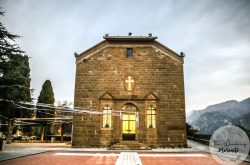

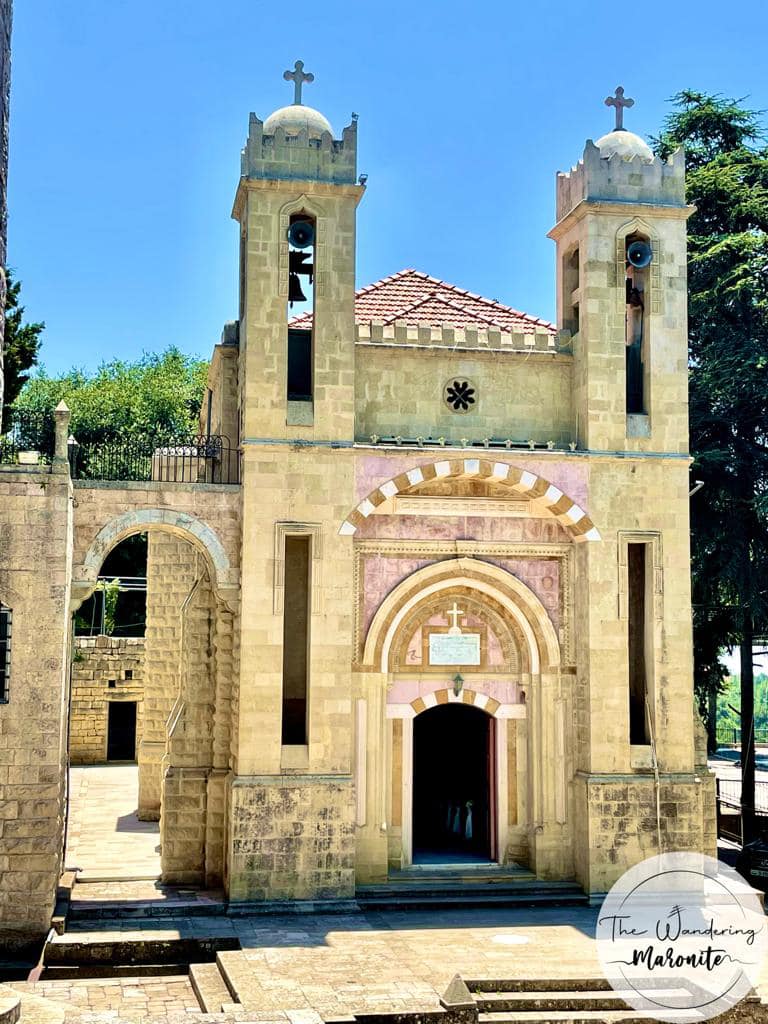
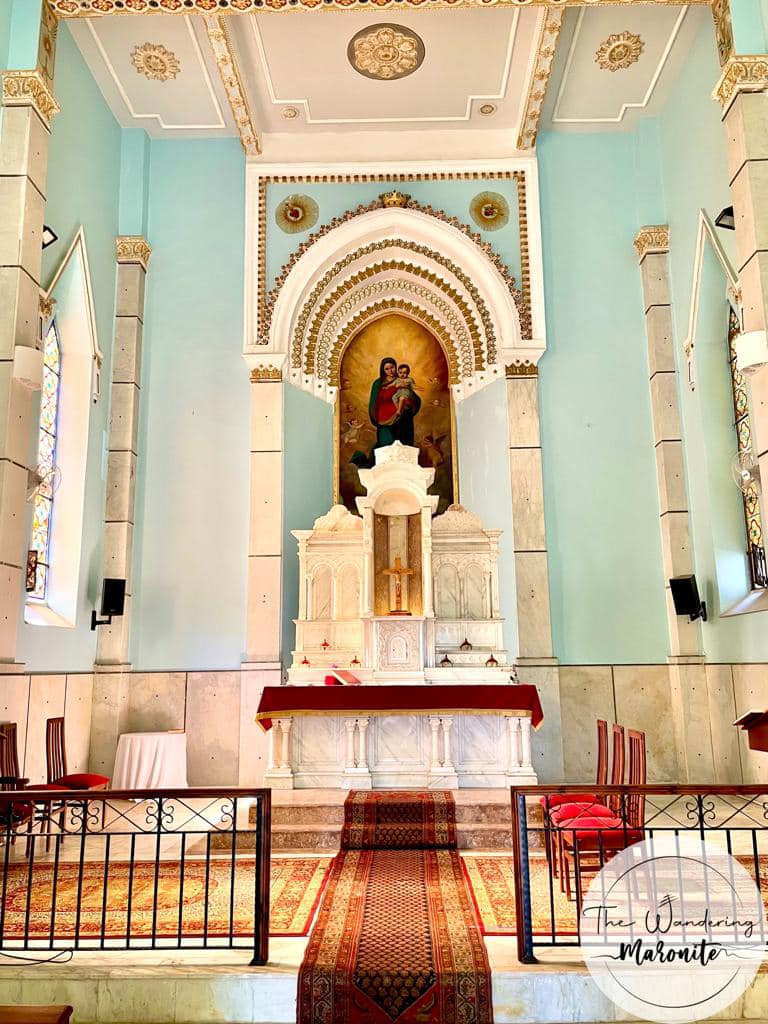
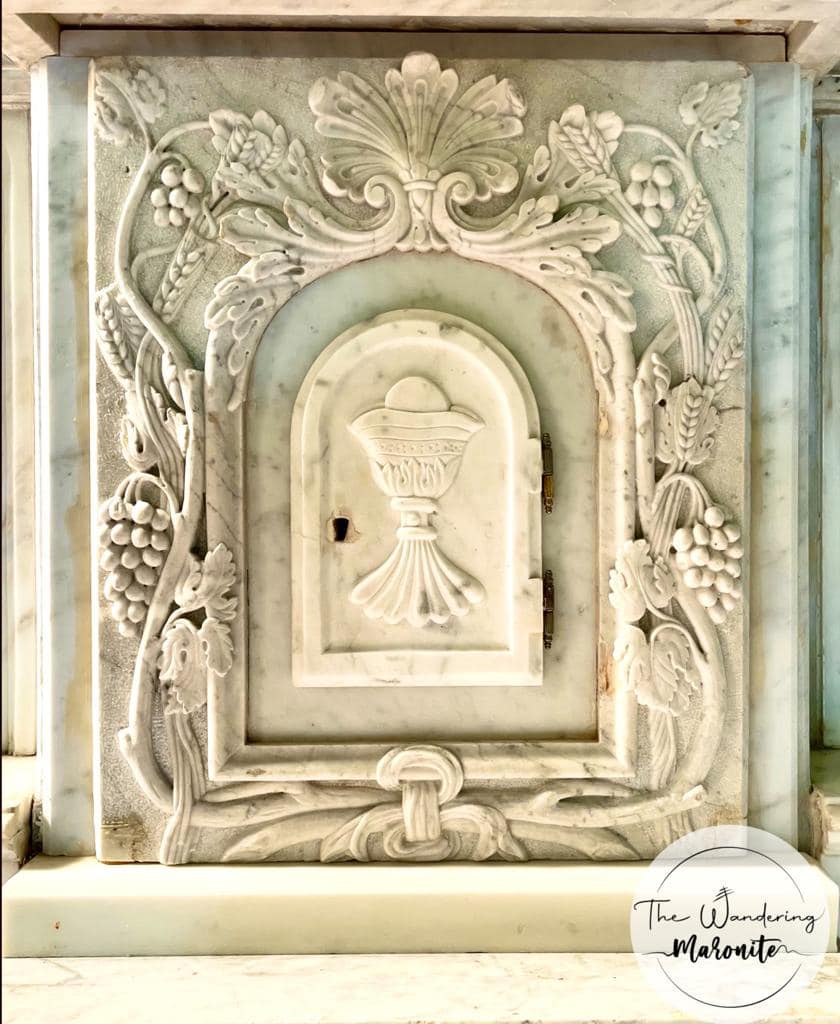
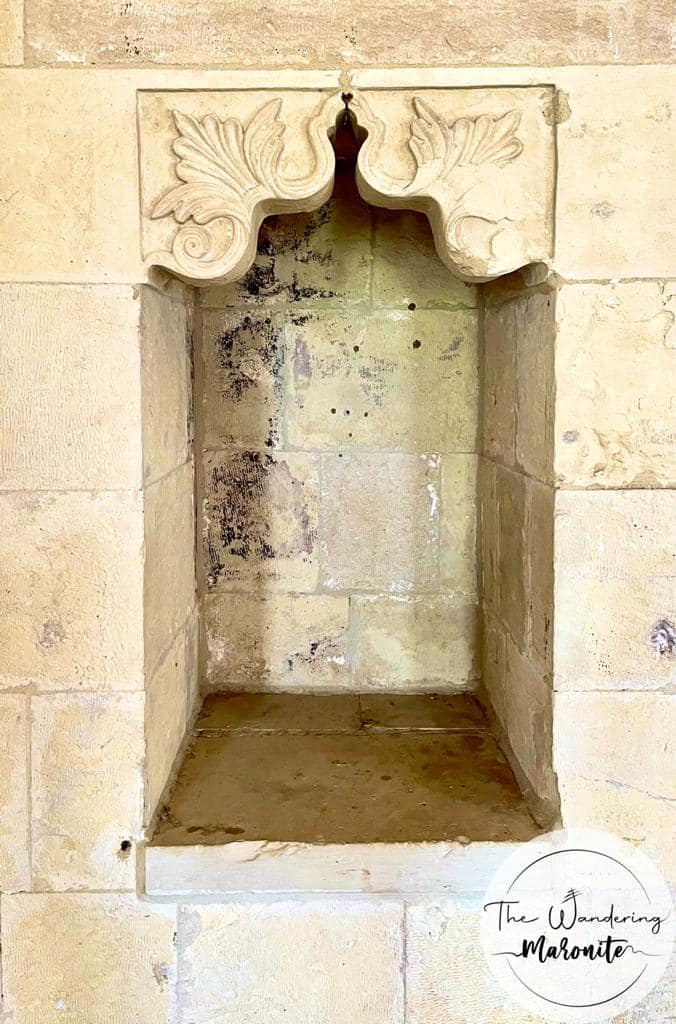
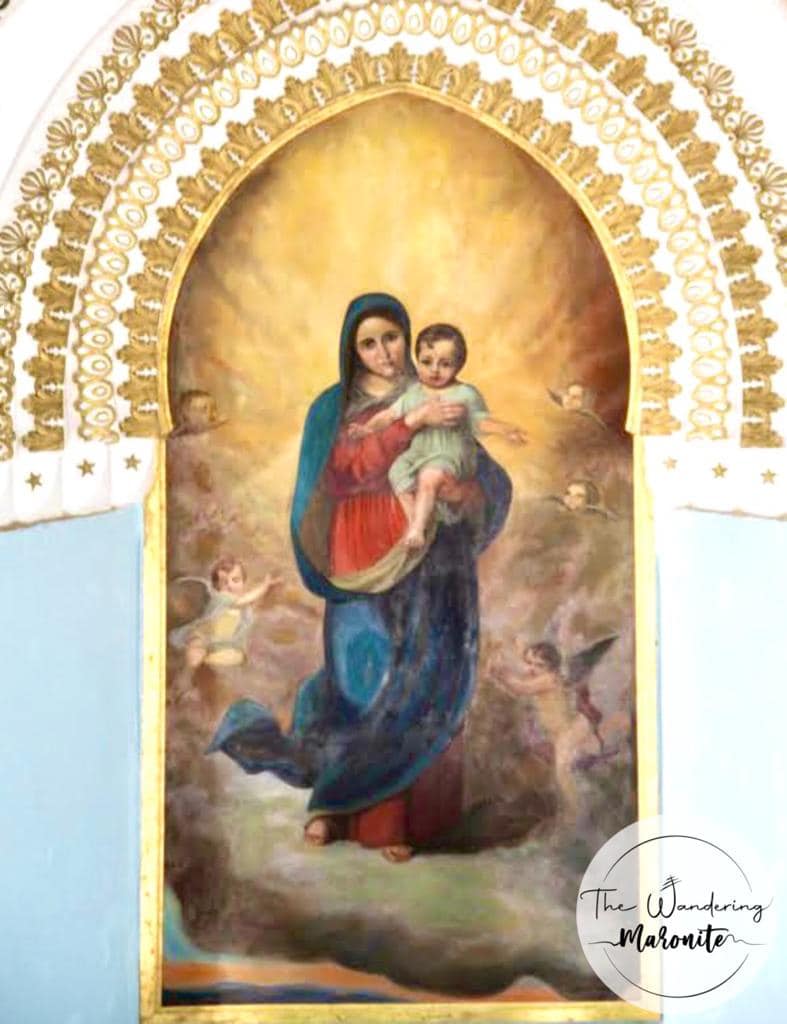
Beit el Din – The episcopal seat of our Lady of Deliverance

Saydet Al Khalas, Beit ed-Dine, Lebanon

Other Details

كرسيّ سيّدة الخلاص

Beit Ed-Dine

Chouf

Mount Lebanon

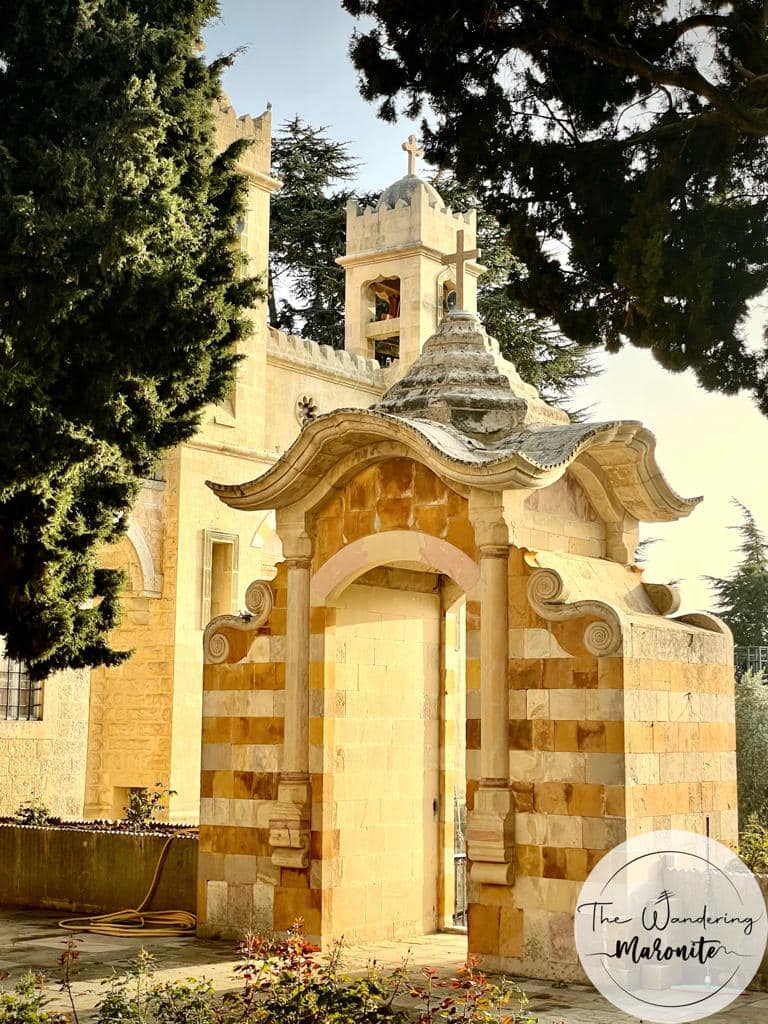
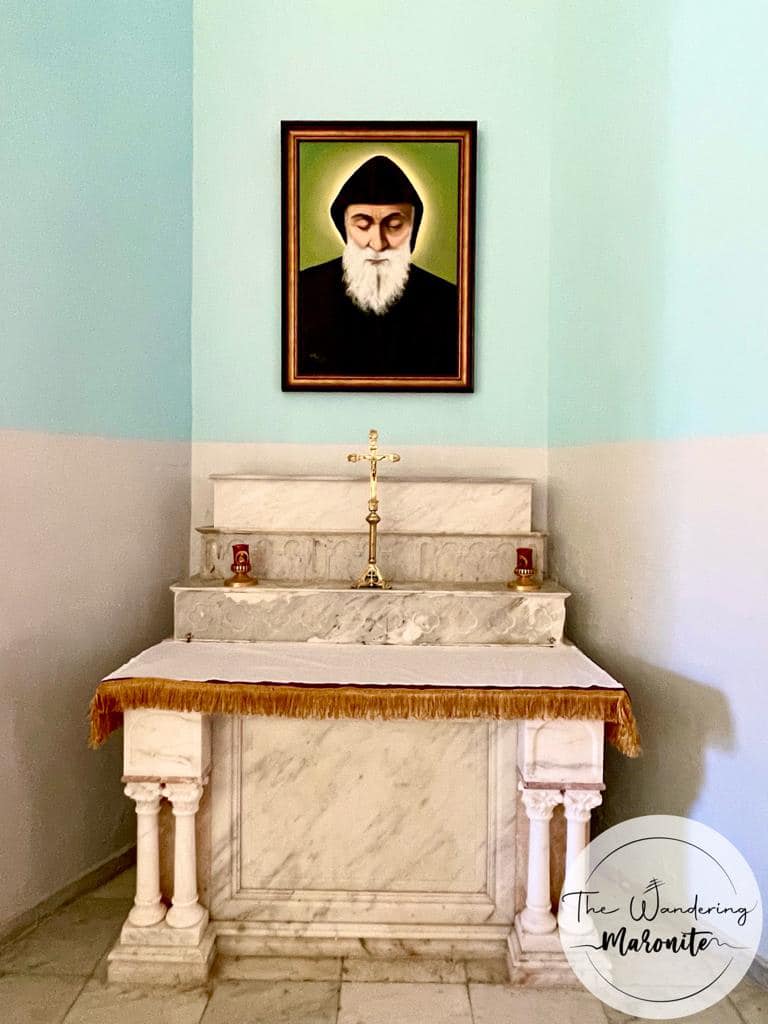
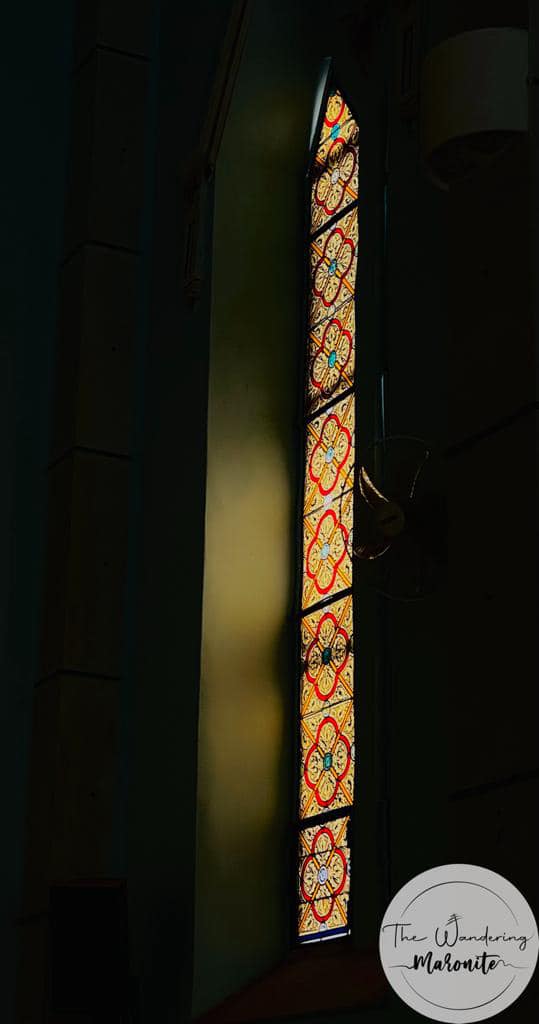
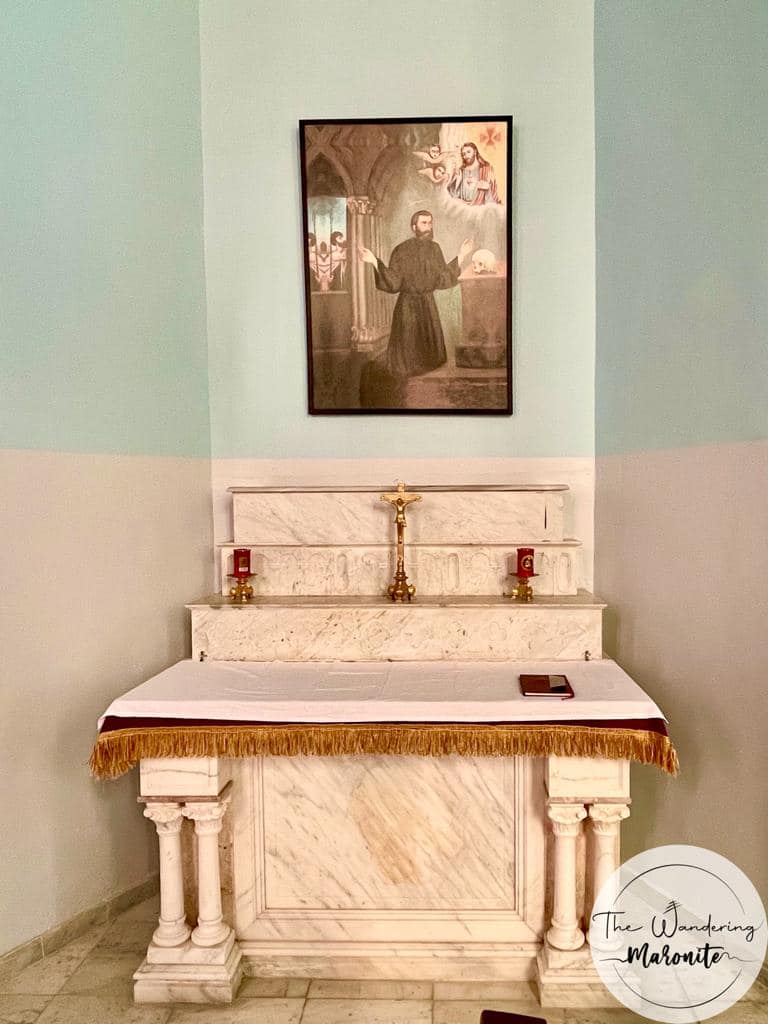
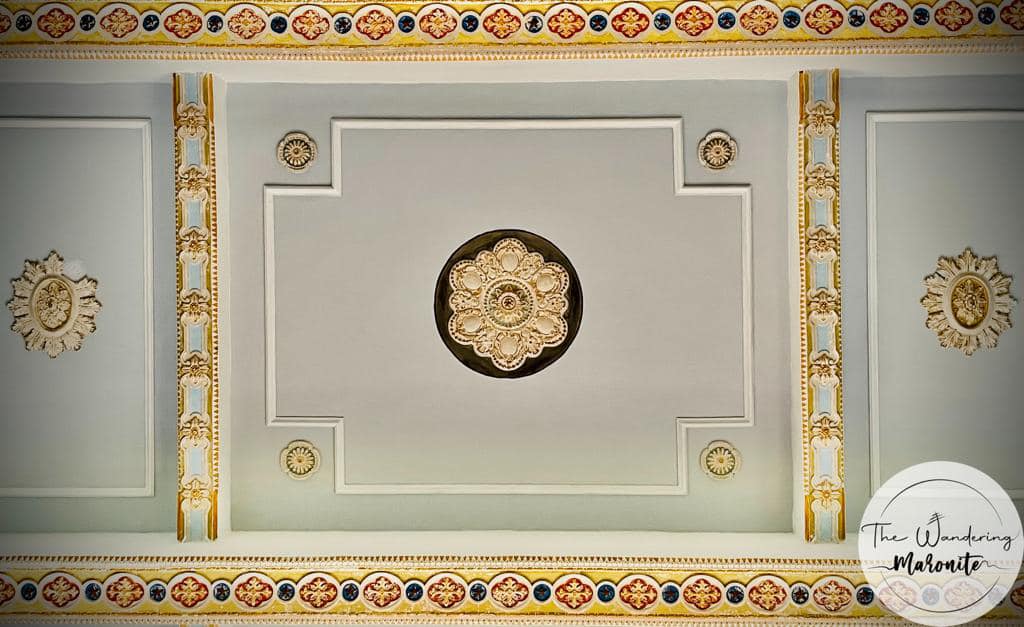
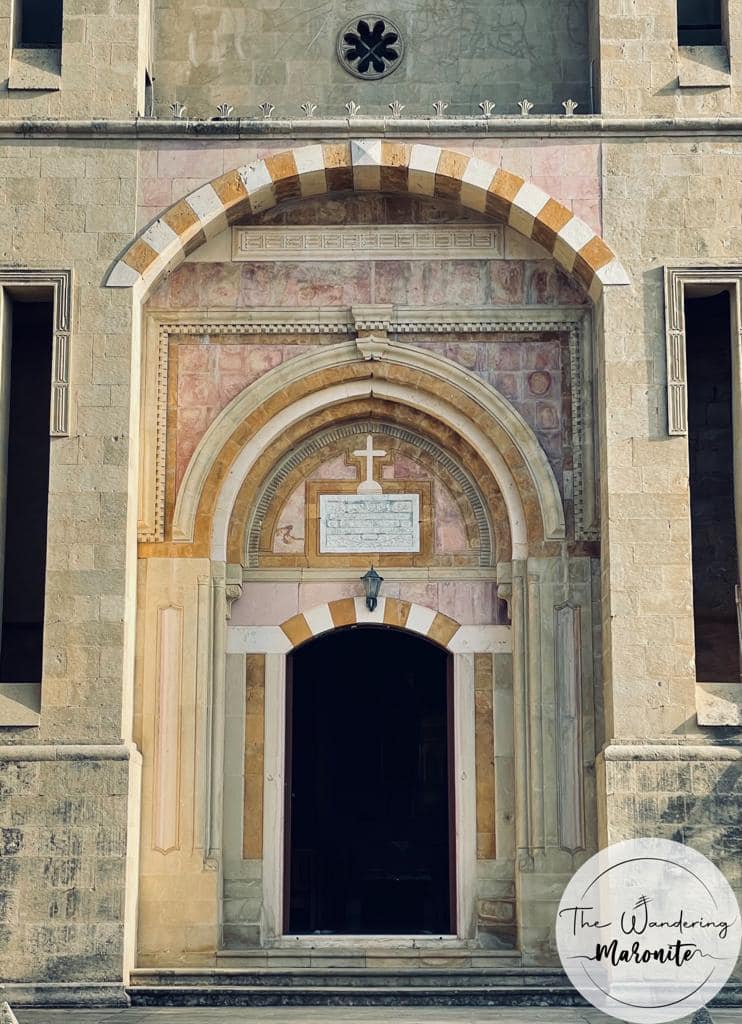
كرسيّ سيّدة الخلاص - بيت الدّينبنى الأمير بشير الثاني قصرًا عائليًّا خاصًّا سنة ١٨٢٨ على رابيةٍ فوق بيت الدّين. سنة ١٨٦١ أهدى الإمبراطور نابوليون الثالث رتاجًا كبيرًا لمدخل القصر. سنة ١٨٦٣ إشترى المطران بطرس البستاني القصر من الأميرة حسن جهان وحوّله إلى كرسيّ أسقفيّ لأبرشيّة صيدا، على اسم مار شليطا الذي له كنيسة صغيرة داخل المبنى. سنة ١٩٢٧ بنى المطران أغوسطينوس البستاني كنيسة سيّدة الخلاص بنمط عصر النهضة بما تضمّ من زجاجيّات ومذابح ولوحات. تعرّض البناء للضرر خلال الحرب العالميّة الثانية وحرب الجبل. رمّم وشهد مصالحة الجبل سنة ٢٠٠٠ مع البطريرك نصرالله صفير الذي أخذ من الكرسيّ مقرًّا له.The episcopal seat of our Lady of Deliverance - Beit el DinIn 1828 Prince Bachir II Chehab built a private palace on the outskirts of Beit el Din. Empror Napoleon III gave the palace a grand entry gate. In 1863 princess Hesn Jihan sold the palace to Archbishop Boutros el Boustany who made it the episcopal seat of the eparchy of Sidon, dedicated to St Chalita (Artemius) who had a small chapel inside the building. In 1927 Archbishop Augustin el Boustany built the church of Our Lady of Deliverance in a renaissance style. The building was damaged in World War II and the Lebanese civil war. The structure was restored and saw the pact of reconciliation in the year 2000 with Patriarch Nasrallah Sfeir.

Visited 6137 times, 3 Visits today

Reviews are disabled, but trackbacks and pingbacks are open.

Related Listings

Ghazir -The church of Our Lady the Habshiyeh

Notre Dame Habchiyeh, Ghazir, Lebanon

كنيسة سيّدة الحبشيّة

Ghazir

Keserwan

Mount Lebanon

كنيسة سيّدة الحبشيّة - غزير

بحسب التقليد بنى رهبان أحباش الكنيسة الأولى سنة ١٤٤٦ وأتوا بصورة العذراء: هذه الكنيسة القديمة بحنيتين هي اليوم السكرستيا ومدفن الكهنة. سنة ١٦٤٠ إستَحصَل آل حبيش على فرمان من السُلطان العُثماني لِتَرميم كنيسة السيّدة في غزير، وشيَّدوا بِموجب هذا الفَرمان كنيسة السيّدة المَدعوَّة الآن "الحبشية" وكرَّسها البطريرك إسطفان الدويهي في ١٣ آذار سنة ١٦٦٣. الكنيسة بازيليكيّة الطراز، تعرّضت للتخريب سنة ١٩٠٥، رُمّمت في ثمانينات القرن العشرين. تضمّ الكنيسة العديد من اللوحات والعديد من الشواهد.
The church of Our Lady the Habshiyeh - Ghazir

According to tradition the church was first built by Abyssinian monks from Nabak in 1446 and they brought with them the icon of the Madonna. The old church is now the sacristy and the prelates necropolis. In 1640 the Hobeish family got an accord from the Ottoman sultan to build the new church that was named Habshiyeh. Patriarch Estephan El Douwaihy consecrated the church on the 13th of March 1663. The church is a basilical structure, it was sabotaged in 1905 and renewed in the 80s. The church holds many paintings and epitaphs.

Hassroun – The church of St Laby the Apostle

St. Jude Church, Hasroun, Lebanon

كنيسة مار لابي الرسول

Hasroun

Bcharre

North

كنيسة مار لابي الرسول - حصرون

بحسب أحد التقاليد بنى الملك حصرائيم (الذي منه اسم بلدة حصرون) قصرًا وهيكلًا في هذا الموضع تحوّل في الجيل الرابع إلى كنيسةٍ على اسم مار لابي وهو اللقب السريانيّ ليهوذا الرسول. بني القسم الشرقيّ من الكنيسة في القرن الثالث عشر، وأضيف سنة ١٧٧٠ القسم الغربيّ. أخذت الكنيسة شكلها مع الصليبيّين، وهي عقد سريريّ منخفض بحنية واحدة. تضمّ الكنيسة مجموعةً من اللوحات التي تعود للقرن الثامن عشر وهي مزيج بين الأيقونة المشرقيّة وفنّ عصر النهضة.

The church of St Laby the Apostle - Hassroun

According to a folk tale, king Hassraym (from whom derived the name Hassroun) built a palace and a temple that was converted in the IVth century into a church dedicated to the apostle Laby (the syriac title given to Thaddeus or Jude). The eastern aisle was built in the XIIIth century. In 1770 the western aisle was built. During the crusaders era the church took its form, a single nave crib vaulted structure beneath the road. The church holds many XVIIth century paintings that are a representation of the local iconography being influenced by the art of the renaissance.

Baskinta – Our Lady of the Assumption

Saint Mary Church,, Baskinta, Lebanon

كنيسة سيّدة الإنتقال

Baskinta

Metn

Mount Lebanon

كنيسة سيّدة الإنتقال - بسكنتا

تعودُ هذه الكنيسة إلى القرن السابع بحسب التقليد، خُرّبت الكنيسة الأولى مع حملة المماليك في القرن الثالث عشر. أْعيد البناء سنة ١٦٥٠، وجُدّد سنة ١٧١٢. سنة ١٩١١ ذُهِّب المذبح الرئيسيّ.
رُمّمت الكنيسة على عدّة مراحل وحقبات: ١٩٠٧ و ١٩٧٤ و ٢٠٠١. بُنيَ الرواق أمام الكنيسة سنة ١٩١٢. في الكنيسة ثلاث أروقة: السيّدة ولوحتها من عمل القسّ بطرس القبرصيّ الراهب اللبنانيّ، وهو أوّل رسّام في جبل لبنان القديم، مار جرجس، ومار يوحنّا المعمدان. هذه الكنيسة هي الأقدم في بسكنتا، وكانت أروقتها مقسومةً قديمًا بين الموارنة والروم الكاثوليك والروم الأرثوذكس، رعيّة واحدة لكنائس مختلفة!

Our Lady of the Assumption - Baskinta

The first church dates back to the VIIth century, yet it was destroyed with the Mamluk’s invasion in the XIIIth century. The church was rebuilt in 1650, and renewed in 1712. In 1911 the high altar was gilded. The church was renewed several times during its long history: 1907, 1974, and 2001. In 1912 a narthex was added with an Antipendium. The church is in a basilical plan and divided by three naves: Our Lady’s with a Madonna painting drawn by Boutros el Qobrsy the Lebanese Cypriot monk and the first known painter in Mount Lebanon, St John the baptist, and St George. This church is the oldest in Baskinta, in earlier times the naves where divided between the village's Christian communities: the Maronites, the Melkite, and the Greek Orthodox. One parish for three christian communities.